Used commercial kitchen equipment in Australia: buying checklist + how finance usually works
Last updated: 5 March 2026
Written by Michael Pajar, Director, Business Finance Broker
Buying used commercial kitchen equipment can be a smart move.
You can often get great gear for less than new, without compromising on what your kitchen needs day to day.
But most business owners hit the same fork in the road:
Pay for the equipment upfront
Or spread the cost over 1 to 5 years and own it at the end
If you are already committed to a long-term lease and you need the kitchen to perform, spreading the cost can be a cleaner way to upgrade without stripping the business of cash.
This guide is focused on the finance side, but it is still practical. I will cover what “used” typically means in commercial kitchen finance, what to check before you commit to renting/financing, and how finance usually works when you are buying through a dealer.
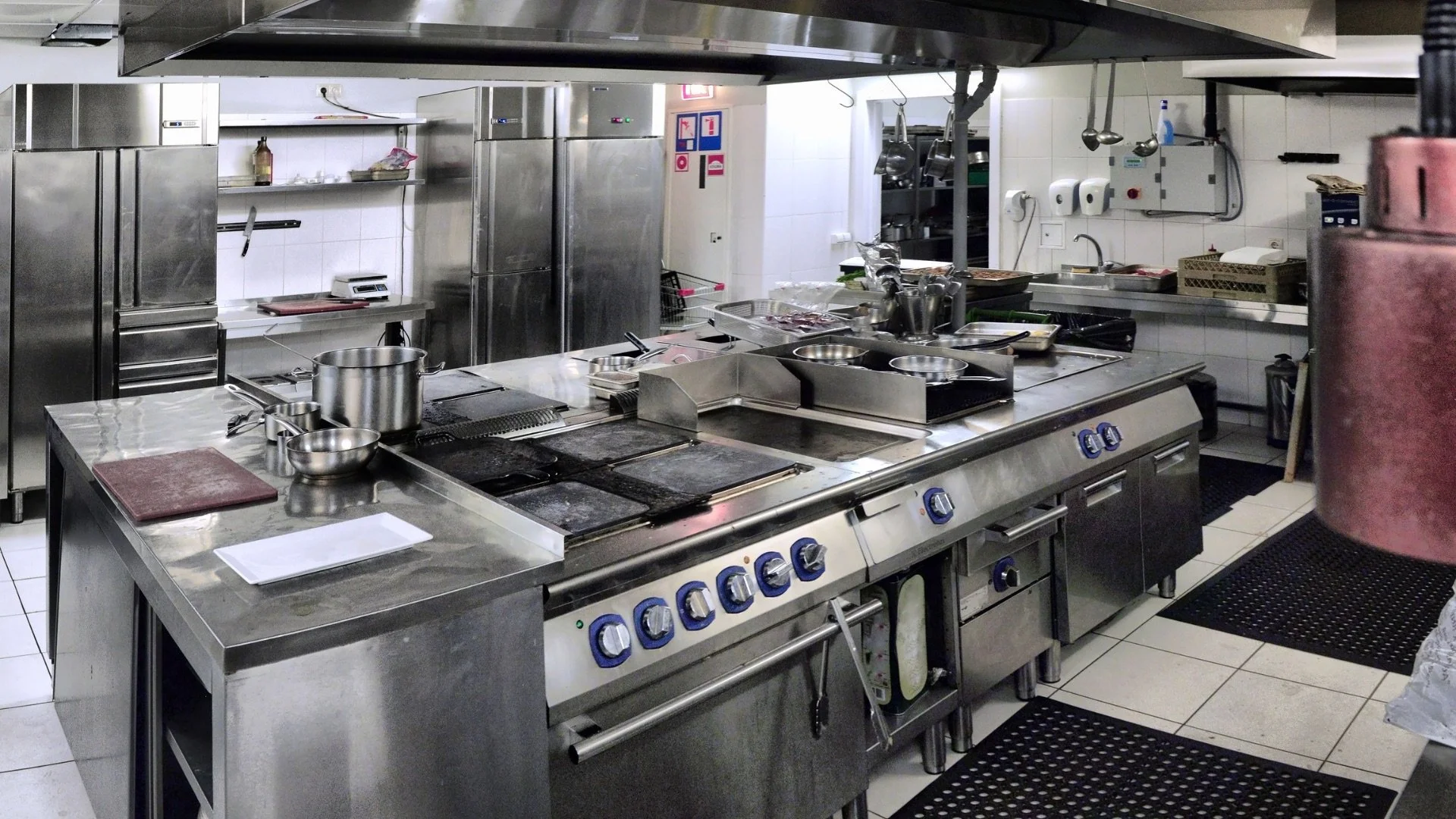
Why finance can beat renting for used equipment
Rentals can make sense in some situations.
But if the plan is to keep the equipment long-term, finance is often the cleaner structure because:
You spread the cost over time and keep more cash in the business
You can build a buffer instead of draining working capital upfront
You finish the term with ownership, rather than paying ongoing rent and still needing to buy it out later
Renting can also come with extra friction at the end, such as:
Condition requirements
Repair or rectification costs if anything is not up to scratch
Return and delivery costs to return the equipment
In practice, some business owners end up renting longer than planned because cash flow stays tight and the buyout keeps getting pushed back.
Finance is usually closer to the thought:
“This equipment is essential. I rely on it to make money long-term. My lease is long-term. I don’t want to have to replace it again when I need cash.”
Want to see your numbers?
What “used” usually means in a commercial kitchen
For finance purposes, “used” usually needs to be supplied through an established dealer.
That is because commercial kitchen equipment commonly needs to be:
Checked properly
Refurbished where needed
Brought back to a compliant standard
This is also why private sales are generally not financeable for commercial kitchen equipment. It is not about the borrower.
It is about asset condition risk and compliance risk.
Used equipment buying checklist (what to check before you commit)
If you are buying through a dealer, this checklist will help you choose your equipment.
1) Make sure it suits your kitchen, not just your space
Confirm it can handle your volume, not just fit the space
Check output capacity, recovery times, and suitability for your menu
Ask what businesses typically use that model for
2) Ask what refurbishment has actually been done
“Refurbished” can mean a lot of different things.
Ask for specifics:
What was replaced
What was repaired
What was tested
3) Check safety and compliance expectations
This depends on the equipment type, but commonly includes:
Electrical checks
Gas compliance, if applicable
Refrigeration checks for fridges and cool rooms, if applicable
4) Confirm exactly what is included in the price
Check what’s included:
Stand
Trays, racks, basket
Ducts, hoses, fittings
Plugs and leads
Installation
5) Delivery, access, and installation realities
Check:
Who handles delivery
Access constraints at your site (stairs, narrow doors, restricted hours)
Whether you need a rigger
Whether you need a sparky, plumber, or gasfitter
Whether extraction, ventilation, or fit-out changes are required
6) Total upgrade cost, not just the equipment price
If you are buying multiple items or doing a partial fit-out, remember the real cost includes:
Installation and trades
Fit-out changes
Removal of old equipment
Downtime while the kitchen is offline
This is one reason fit-out bundles are so common.
How finance for used commercial kitchen equipment usually works
When you are buying through a dealer, finance can allow you to:
Spread the cost over 1 to 5 years
Preserve working capital for wages, stock, and marketing
Get the right equipment sooner without draining the business
Own the equipment at the end of the term, instead of delaying ownership through a rental structure
One important point:
Used commercial kitchen equipment is very lender-specific.
Some lenders avoid it entirely, even when the borrower is strong. Others can support it, but only under the right conditions.
That is where CASEY can help.
We place used equipment requests regularly, so we can usually tell you quickly:
Whether the specific equipment will be accepted
Whether it is likely to be straightforward, or not worth your time
What structure usually fits your situation without overcooking it
Whether you qualify for financing this type of equipment
The goal is not “apply and hope”.
It is getting the right answer early, with little effort.
Common scenarios we see (and can usually structure well)
Buying through a dealer
This is the most finance-friendly path for used commercial kitchen equipment.
Buying multiple items at once (fit-out bundle)
Very common.
It can be cleaner to structure one solution instead of juggling multiple purchases.
Replacing one critical item that is holding the business back
For example, a fridge, oven, or dishwasher that is causing downtime or service issues.
FAQs
Can I finance used commercial kitchen equipment?
Often yes, when it is supplied through an established dealer. With used equipment, what matters is the right lender for your equipment.
How long can the term be?
It depends on the equipment type, age, and overall deal profile. Many used equipment terms are structured anywhere from 1 to 5 years.
Can I include multiple items in the one solution?
Yes, and it is common. Bundles are often easier to manage as one clear purchase rather than separate transactions.
Do I need a tax invoice?
By settlement, yes. For a majority of the application an indicative quote is fine. Sometimes no quote is fine (if you want a pre approval first).
How fast can it move?
In many cases we can give you a clear answer the same day. When everything lines up, funding can often move within 24 hours. Sending it through early in the day usually helps.
Get a quote today
100% free · No credit score impact · No obligation
General information only. Finance is subject to lender assessment and approval.