Asset Based Loan “Restart Funding”: Use Unused Assets to Consolidate Daily Repayment Debt

Last updated: 15 January 2026
Written by: Michael Pajar, Director, Business Finance Broker
If your business account keeps going negative, you’re not alone.
I speak to owners every week who feel stuck in bleeding repayments.
It’s not just the money.
It’s the stress.
It follows you home.
This guide explains a different option that some people don’t realise they have.
It’s a way to use unused, high-value assets (like exotic cars, boats, or even aircraft) to consolidate painful debts, calm things down, and give your business a real chance to reset.
This page will not cover:
Home loans, real estate-backed finance, or personal financial advice. This guide is only about chattel assets (things like vehicles, watercraft, and aircraft).
The never ending debt cycle: daily repayments + constant enquiries
Here’s what usually happens:
A short-term lender approves funding fast
Repayments start immediately (often daily or weekly)
Cash flow gets tight again
The account dips negative
Payments bounce
You apply again to “fix it”
More enquiries, more stress, more pressure
Even if your business is good underneath… the structure can break you.
And when you’re under pressure, it’s easy to make decisions just to survive the week.
The “restart” idea most people miss
Some business owners have value sitting there doing nothing.
Not in cash.
Not in property.
In assets.
If you own a high-value asset you don’t need right now, that asset can sometimes be used as security to unlock funds.
This is commonly called an asset based loan (or asset based lending).
It’s not a magic fix.
But for the right person, it can be a lifeline.
What is an asset based loan (in simple words)?
It’s a loan where the lender mainly looks at the asset.
The asset is the security.
So the asset does most of the work.
That matters if:
Your bank statements look messy right now
You’ve had too many short-term facilities
You’re behind on tax or suppliers
You just need breathing room to reset
Who this is best for (my ideal client)
This works best when you have a high-value chattel asset and you’re under cash flow stress.
My ideal client is someone who owns:
An exotic or prestige car (Ferrari, Lamborghini, McLaren, etc.)
A high-end performance car that’s sitting unused
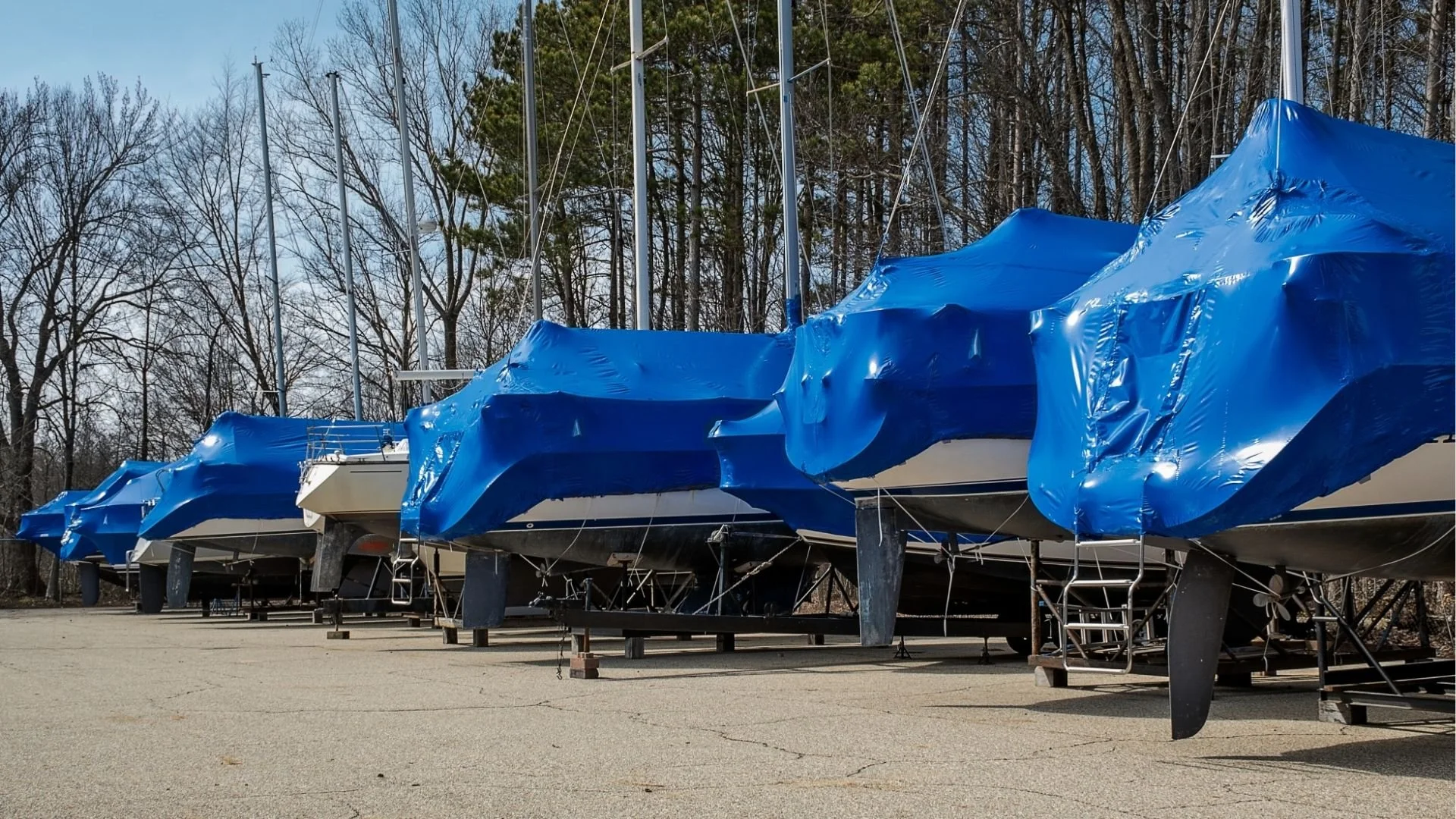
A valuable ute, truck, caravan, or boat
A plane or helicopter (case-by-case)
Hard minimum asset value: $50,000
Ideal asset value: $100,000+
Bigger deals: $250,000 to $1m assets can be game-changing
Max funding (confirmed): up to $1,000,000 (not $2m).
What assets can be used?
Eligible assets (subject to acceptable condition) include:
Wheeled assets (cars, utes, vans, trucks, caravans)
Watercraft (boats, jet skis, etc.)
Flying assets (certain aircraft)
If it’s high value and saleable, it’s worth asking.
The key numbers (so it’s clear)
Here are some details of the loan:
Maximum lend: up to 70% of forced liquidation value
Minimum asset value: $50,000
Maximum funding: $1,000,000
Asset storage: held at an approved facility while the loan is active
End of term: interest is capitalised, and you choose the next step (explained below)
How this type of “restart funding” works (step by step)
This is the cleanest way to understand it:
Step 1 — You tell me what asset you have
You give basic details like:
What it is (make/model/year if it’s a vehicle)
Estimated value
Who owns it (personal or company)
If there is any finance owing on it
Step 2 — The asset is valued
The lender uses a conservative value (forced liquidation style).
Step 3 — Funding is offered against that value
Up to 70% of that forced liquidation value, depending on the deal.
Step 4 — The asset is stored securely
The asset is held at a facility until the debt is paid out.
Step 5 — You use the funds to clean up the mess
Most people use this to:
Pay out daily/weekly repayment lenders
Clear urgent supplier arrears
Catch up tax defaults
Stop dishonours and negative conduct
Create breathing room so the business can stabilise
Why this can feel easier than “low doc” cash flow loans
Low doc cash flow loans often price different areas of risk into the structure.
That can mean:
Higher costs per dollar
Faster repayment pressure
Less room to breathe
Stress stays high
With an asset based loan, the risk is managed differently because the lender holds security.
So for the same loan amount, an asset-backed structure can be materially more cost-effective than high-pressure cash flow facilities.
I’m not promising pricing for every case.
But the structure is often far more forgiving when the asset is strong.
The “no repayments” part (important)
In asset-based lending deals, repayments can be structured so you’re not making regular payments during the initial term.
Instead, the cost is dealt with at the end of the term.
That is what creates the “reset window”.
You can use that window to:
Stop the daily bleeding
Get cash flow stable again
Put the business back into a refinance-ready position
Focus on the business, not the bank balance
What happens if you can’t pay it out at the end?
This is where many people panic — so let’s make it simple.
At the end of term, interest is capitalised.
Then the business owner chooses an option, such as:
Pay it out (if cash flow has recovered)
Refinance it (into a longer-term solution if available)
Move to interest-only (if the lender allows it)
Sell the asset via funder (if you want to exit cleanly)
If the funder sells it for you, the asset sale happens and any surplus after the debt is cleared goes back to you.
Real example (simple numbers)
Let’s say you have a high-value car you don’t use much.
Market value might be high
The lender uses a forced liquidation value (more conservative)
They may lend up to 70% of that forced liquidation value
The car is stored securely
Funds are used to clear daily repayment debt and urgent arrears
The goal isn’t “free money”.
The goal is a clean reset:
fewer dishonours
fewer emergencies
less pressure at home
time to rebuild
Some thing people usually pay off first (the 3 big debt types)
The biggest use cases are usually:
Short-term cash flow loans with high-frequency repayments (daily/weekly)
ATO defaults / tax debt pressure
Urgent arrears (suppliers, rent, insurance, critical bills)
Who this does NOT suit
This isn’t for everyone.
It may not be a fit if:
Your asset is under $50,000
You need the asset every day and can’t store it
The asset isn’t in acceptable condition
You’re hoping for a guaranteed approval (nobody can promise that)
This is a tool.
It works best when the asset is strong and you need time to reset.
Fees (what you should expect to pay)
Typical fees can include:
Application fee
Valuation fee
Depending on the asset and facility, there may also be costs such as:
Storage / holding costs
Transport or inspection costs (if required)
Sale costs if you choose to have the asset sold at the end
Exact fees vary by asset type and complexity. I’ll explain them clearly once I see your asset and what you’re trying to solve.
Common phrases business owners at this stage of business say
If any of these feel familiar, you’re exactly who this was written for:
“My account is negative again. It keeps happening.”
“The daily repayments are killing the business.”
“I can’t take another enquiry on my credit file.”
“I’m behind with the ATO and I’m panicking.”
“Suppliers are chasing me hard.”
“I’m just trying to stop the bleeding.”
“I need breathing room for a few months.”
“I’ve got assets, but they’re doing nothing right now.”
“If I could clear these debts, I’d be okay.”
“I’m not sleeping. It’s affecting my family.”
“I feel stuck and I don’t know what’s left.”
The #1 objection: “I don’t want another credit enquiry”
This is the biggest fear people have.
And it makes sense.
If you’ve already had lots of enquiries, you don’t want more harm.
Sometimes even after you’ve been told there’s no enquiry.
This asset-based option is designed to be assessed mainly on the asset security. In many cases, it may be possible to progress even without a traditional credit-file focus.
The safest approach is simple:
Check eligibility first.
No pressure. Just clarity.
The safest next step
If you have an unused asset worth $50k+, this might be the reset you’ve been looking for.
And if you don’t, I’ll tell you quickly and we’ll look at other pathways.
Check Eligibility (30 sec)
FAQs
Can personal assets be used, or only business assets?
Both can be used in many cases. Ownership and structure matter, so it’s checked upfront.
Do you fund every industry?
There are no stated excluded industries for this product, but each deal still needs to fit the asset and compliance checks.
Can this pay out tax defaults?
Yes, it can be used to pay out urgent obligations, including tax defaults, where the funding amount supports it.
Do I need perfect bank statements?
This solution is designed to be assessed mainly on the asset security. The key factor is the asset value and suitability. Bank statements are not required.
What happens if I can’t refinance later?
You can choose the next step at end of term: pay it out, refinance it, move to interest-only (if allowed), or sell the asset.